


Flood Disasters Injury Claims in Texas
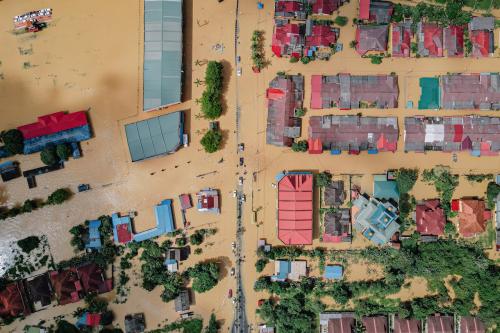
Texas floods don't give much warning. One afternoon, things look fine, and by evening, a road you've driven a hundred times is underwater.
San Antonio and the surrounding Hill Country know this better than most. The Guadalupe River, the Medina, Olmos Creek, Salado Creek, Leon Creek, and Beitel Creek — they can all turn dangerous within hours. Neighborhoods across Bexar County, from Helotes to Converse to the South Side, have seen firsthand what a fast-moving storm system can do.
When someone gets hurt in a flood, the first instinct is to call it an act of God and move on. No one to blame. Just bad luck and a bad storm.
That's not always the right conclusion.
When Flood Injuries Involve Legal Liability
Floods themselves aren't typically anyone's fault. But the conditions that make floods more dangerous, and the decisions made before and during a flood event, often involve human choices. When those choices lead to someone getting hurt in San Antonio or anywhere else in Texas, there may be a legal claim worth looking into.
Premises liability covers situations where a property owner's negligence contributed to an injury. In flood scenarios, that can mean a lot of things. A business or apartment complex in San Antonio with known drainage problems that were never fixed. A commercial property that channeled floodwater toward neighboring homes or parking areas. A garage or basement that flooded without adequate warning to the people inside. A landlord in Bexar County who knew about flood risk and said nothing to tenants.
The question in these cases isn't whether a storm happened. It's whether someone had a responsibility to protect people from a foreseeable risk, and didn't.
Government Liability and San Antonio Flood Infrastructure
Some flood injury cases involve government entities. The City of San Antonio, Bexar County, TxDOT, or the San Antonio River Authority may carry responsibility when flood infrastructure fails, or warnings don't reach people in time. Roads in known flood-prone corridors were left open when they should have been closed. Drainage systems along Culebra Road, Military Drive, or Bandera Road were poorly maintained. Flood control projects that directed water in ways that caused harm downstream.
These cases are more complicated than standard personal injury claims. In Texas, claims against government entities come with specific rules, shorter notice deadlines, and procedural requirements that don't apply elsewhere. The flood zones across San Antonio carry well-documented risks, and when government decisions contribute to injuries in those areas, that failure has legal consequences. If a public entity played a role in what happened to you, getting legal guidance early is critical. The window to act is narrower than most people realize.
The Physical Toll Floods Leave Behind
The kind of flood injury most people picture is dramatic: swept away, pulled under, or struck by debris. That does happen, and people have died on San Antonio low-water crossings that they had driven for years. But flooding does things to the body that show up later, too, sometimes long after the water is gone.
Slip and fall injuries on water-damaged floors and stairways. Structural collapses in flood-weakened buildings across Bexar County. Chemical and sewage exposure from contaminated floodwater. The infection risks from floodwaters are serious and often go unaddressed. Bacteria thrive in the mix of sewage, agricultural runoff, and standing water that follows a major Texas flood. Wounds that come into contact with floodwater can become infected quickly. Respiratory problems can develop from mold that takes hold in wet structures within 24 to 48 hours.
What happened near Beitel Creek in past flood events is a reminder of how quickly conditions escalate in San Antonio's flood-prone corridors. Our post on flash flood safety and legal rights after Beitel Creek floods covers what residents in that area specifically need to know.
If you were in floodwater anywhere in the San Antonio area and you're now sick or hurt, that connection is worth taking seriously, both medically and legally.
Steps That Matter Right After a Flood Injury
- See a doctor before you do anything else. It sounds obvious, but many people skip it because they feel okay right after a flood. Floodwater isn't clean water. It carries bacteria, sewage, and chemical runoff that can cause minor wounds to get infected quickly. Symptoms from exposure can sometimes take days to appear.
- Document everything you can. Photos and video of the conditions, the property, and your injuries. Capture the scene before cleanup starts. Once water recedes and repairs begin, evidence disappears fast.
- Write down what happened while it's fresh. Where you were in San Antonio or Bexar County, what the conditions looked like, what warnings were or weren't given, and who else was there.
- Be careful about what you sign. After a flood, insurance adjusters move quickly to close cases. Some early offers don't account for injuries or complications that haven't fully appeared yet. Understand what you're giving up before you sign anything.
- Watch the clock. Texas personal injury claims generally carry a two-year statute of limitations. Still, claims against government entities in San Antonio or Bexar County can have a window as short as 6 months. Getting legal guidance early keeps more options open.
When the Loss Goes Beyond Property
Some floods take more than belongings. If someone you love was killed in a flood in the Hill Country or anywhere in Texas and negligence played a role, Texas law gives surviving family members the right to pursue a wrongful death claim. Knowing who can file a wrongful death lawsuit in Texas and how the process works is a starting point for families trying to make sense of what comes next.
Talk to a San Antonio Flood Injury Attorney
Flood injury cases can involve multiple parties, government entities, insurance disputes, and injuries that take time to fully understand. The sooner you speak with a San Antonio personal injury attorney, the clearer the picture gets.
At Ali Law Group, we represent injured people and their families across San Antonio, Bexar County, New Braunfels, Boerne, and throughout Texas. If you were hurt during a flood and you're not sure whether you have a claim, that's what a free case evaluation is for.
Get a free consultation today.
Disclaimer: The information provided on this blog is for informational purposes only and does not constitute legal advice. Every situation is unique, and the law can be complex. For specific legal guidance on your personal injury case in Texas, contacting an experienced attorney is essential. The Ali Law Group is not responsible for any actions taken based on the information contained here.


Schedule a Free Case Evaluation
Make An Appointment
This website is designed for general information only. The information presented at this site should not be construed to be formal legal advice nor the formation of a lawyer/client relationship.