


San Antonio Flood Zones: Legal Risks & Property Damage
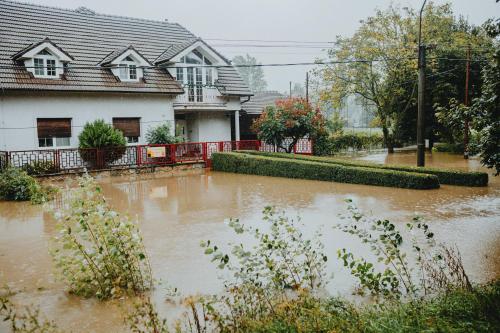
Flooding in San Antonio isn’t just about property damage—it can put people in harm’s way. When the water rises, it brings unexpected dangers, such as hidden drop-offs, unstable ground, exposed wires, and strong currents. It’s all too easy for someone to slip, crash, get shocked, or worse. These risks are real and can lead to serious, lasting injuries.
For injury victims, flood zones help explain why these dangers exist and when legal responsibility may come into question.
Flooding Is a Known Risk in Parts of San Antonio
San Antonio is in a spot where heavy rain can quickly overwhelm drainage systems, causing rivers and creeks rise fast. Places near the San Antonio River, Salado Creek, Leon Creek, and other low-lying areas deal with flooding time and time again. Underpasses, roadways, parking areas, and residential neighborhoods may flood with little warning, creating flash flood conditions.
Flood zones identify areas where flooding is more likely to occur. The Federal Emergency Management Agency (FEMA) provides flood maps that highlight these risk levels. Local agencies also offer floodplain and watershed maps that reflect regional conditions.
Flood maps do not stop flooding. They provide warnings. When flooding occurs in known-risk areas, injuries may raise questions about whether property owners or other responsible parties took reasonable steps to reduce the danger or warn others.
What Are Flood Zones?
Flood zones are geographic areas classified by flood risk. (FEMA) designates these zones through Flood Insurance Rate Maps (FIRMs). Some areas face a higher risk during heavy rainfall or river overflow. A Special Flood Hazard Area (SFHA) is an area with an elevated likelihood of flooding in any given year.
In Bexar County and San Antonio, property owners and residents can access tools that show flood zone designations and watershed data. These tools help identify known flood risks tied to specific locations. Public flood risk data shows that a significant number of San Antonio properties face some level of flooding. Flooding also occurs outside high-risk zones, particularly during severe storms or rapid water rise.
You can also reference interactive, high-resolution flood risk maps for San Antonio properties on publicly available platforms, such as First Street’s flood risk report. As of December 2025, approximately 55,535 properties (12.7%) of all properties in San Antonio are at risk of flooding.
Why Flood Zones Matter to Property Owners
Flood zones matter in personal injury law because they help determine foreseeability—whether someone knew or should have known about the risk based on available information.
Property owners, businesses, and even local governments in flood-prone areas often have access to resources such as flood maps, historical flooding records, and drainage studies. If flooding is a known issue, the law may expect them to take reasonable steps to keep people safe.
These steps may include restricting access to flooded areas, posting warnings, placing barriers, maintaining walkways, or addressing known drainage issues. When injuries happen, we ask whether someone took reasonable precautions based on the risks they knew about.
Failing to take action does not automatically create liability. However, it may become legally relevant when someone receives an injury due to unsafe conditions.
Common Injuries Caused by Flood Conditions
Flooding creates dangerous environments that increase the risk of serious injury, including infection from floodwaters. Common flood-related injuries include:
Slip and Fall Injuries
Floodwater can conceal uneven pavement, open drains, loose debris, and broken surfaces. Wet conditions increase the risk of falls in parking lots, stairways, sidewalks, and building entrances.
Vehicle Accidents
Flooded roads reduce traction and visibility. Drivers may stall, hydroplane, or collide with submerged obstacles. Repeated flooding in the same locations can increase the risk of injury.
Electrical Injuries
Floodwaters may come into contact with electrical systems, exposed wiring, or damaged equipment, which creates a risk of shock or electrocution in residential and commercial settings.
Drowning and Near-Drowning Incidents
Fast-moving water can knock people off balance or sweep away vehicles in shallow floodwaters. Near-drowning incidents can lead to serious medical complications.
Structural Failures
Flooding can weaken fences, walkways, retaining walls, and foundations. Structural collapse during or after flooding can result in severe injuries.
When Flooding Becomes a Legal Issue
Flood-related injuries usually involve a mix of factors—bad weather, poor maintenance, flawed infrastructure, and human decisions. To figure out who’s responsible, you have to look closely at what people knew, what actions they took (or didn’t take), and how the injury happened. It’s not always simple, but those details matter when someone gets hurt.
Public infrastructure can make things worse, too. Clogged storm drains, flooded underpasses, or poorly designed roads can all lead to serious injuries. If a government agency is involved, there are strict deadlines to act—so it’s essential to speak with a lawyer as soon as possible.
Lessons from Central Texas Flooding
Central Texas has experienced flooding events that highlight how quickly conditions can become dangerous. Historic flooding along the Guadalupe River, including flooding at Camp Mystic and nearby properties, shows how rapidly water levels can rise.
These events reinforce an essential reality. Flood risk is not limited to clearly marked zones. Sudden and severe flooding can occur in areas that appear safe under normal conditions. In personal injury cases, factors such as prior warnings, flood history, and known risks often make a big difference.
Property Owner Responsibilities in Flood-Prone Areas
Property owners in San Antonio are responsible for maintaining safe conditions. This duty does not disappear during storms or flooding.
In areas that flood often, taking reasonable care means thinking ahead—like how rising water might affect entrances, parking lots, walkways, or common areas. Even if the hazard is temporary, action may still be needed, especially if flooding happens often or is easy to predict.
If a business knows an area floods after heavy rain and doesn’t warn people or block it off, they could be held responsible if someone gets hurt. Each case depends on the facts, but flood zone data often shows what risks someone knew—or should have known—before the injury happened.
What Injury Victims Should Do After a Flood-Related Injury
If you suffer an injury during a flood event, taking prompt steps can protect both your health and your legal rights.
Seek medical care as soon as possible. Report the incident if it occurred on someone else’s property. Take photos of the area and conditions when safe to do so. Gather witness information and keep records related to your injury and treatment.
Flood-related injuries often involve multiple parties and complex issues. At Ali Law Group, our San Antonio personal injury lawyers will review your circumstances, identify potential legal responsibilities, and explain your available options under Texas law.
Why Legal Review Matters After Flood Injuries
When someone gets hurt during a flood, there’s usually more than one factor involved—like the weather, property maintenance, and the choices people make. Figuring out who’s responsible means taking a close look at what people knew, what they did (or didn’t do), and how the injury actually happened.
Personal injury law focuses on accountability and safety. Legal review helps injury victims understand their rights and evaluate whether negligence played a role.
Talk With Ali Law Group About Your Injury
Flood zones identify risk, but they do not tell the whole story. When flooding leads to injury, the details matter.
If you or a loved one has been injured in a flood-related incident, get a free case evaluation today with Ali Law Group in San Antonio.
Disclaimer: The information provided on this blog is for informational purposes only and does not constitute legal advice. Every situation is unique, and the law can be complex. For specific legal guidance on your personal injury case in Texas, contacting an experienced attorney is essential. The Ali Law Group is not responsible for any actions taken based on the information contained here.


Schedule a Free Case Evaluation
Make An Appointment
This website is designed for general information only. The information presented at this site should not be construed to be formal legal advice nor the formation of a lawyer/client relationship.