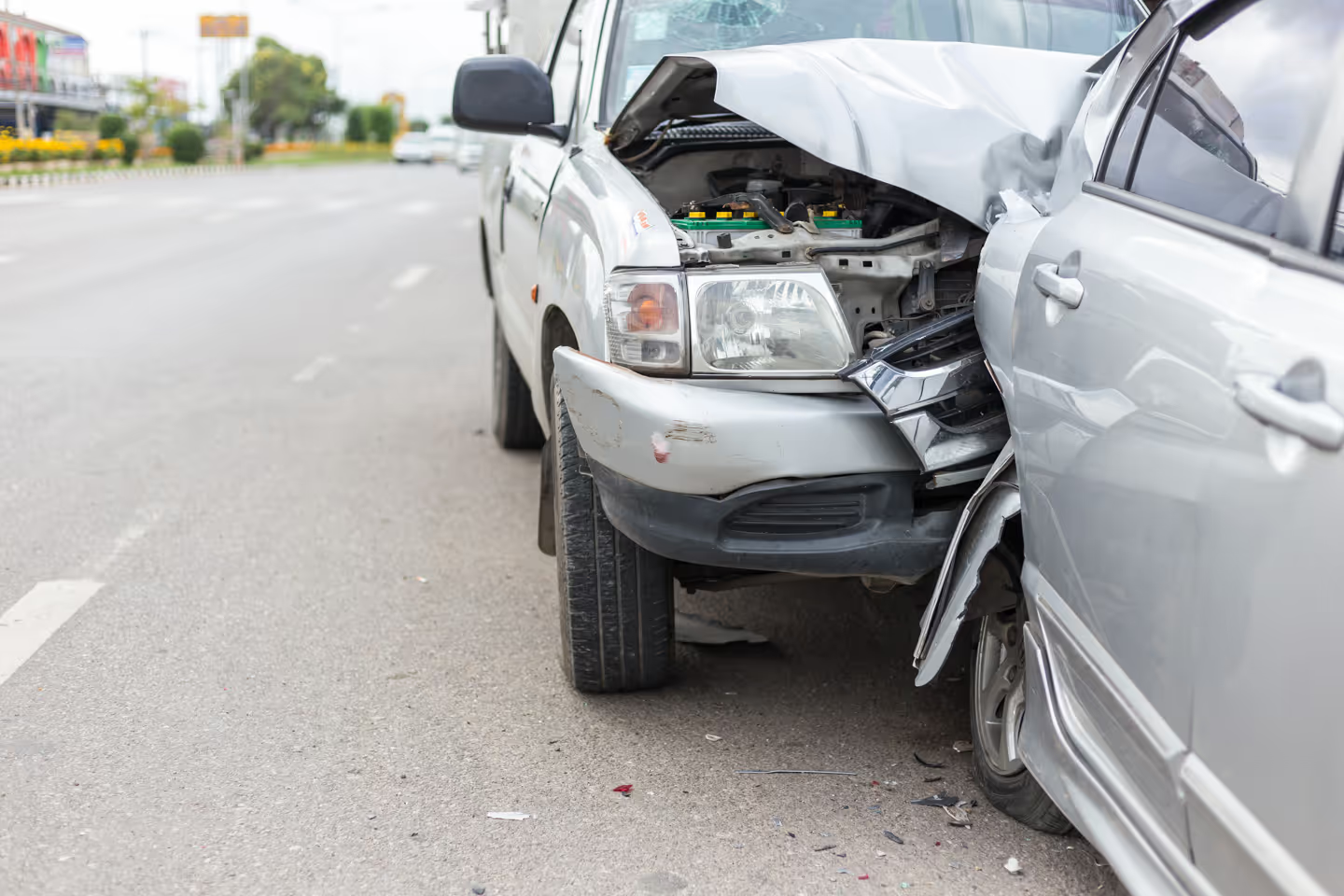
Company Vehicle Accident Lawyer
When a company vehicle hits you, the driver usually isn't the only one who ends up responsible. The employer, the company's insurance carrier, sometimes a fleet management company — any of them can be on the hook, depending on who was actually behind the wheel and why. Ali Law Group sorts out who was really responsible and what your options are.
Who Was Actually Behind the Wheel?
A delivery van running behind schedule, a rideshare driver between fares,
a fleet car with a company logo on the door, an 18-wheeler hauling freight —
the vehicle that hits you tells you less than you'd think about who's liable.
A driver running personal errands off the clock is usually treated differently than
one making a scheduled delivery, even in the same company vehicle.
Rideshare cases add another layer, since the driver's relationship to the platform rarely works like a normal employment relationship.
If a company vehicle hit you, we sort out whose vehicle it actually was, who was driving it,
and whether that driver was working at the time — because that last part often decides who pays.
Common Causes of Company Vehicle Accidents
These accidents may also be traced to choices made by the employer, in addition to the choices made by the driver at the time of the accident. These decisions might involve:
- Distracted Driving: Phones, GPS systems, and delivery apps pulling attention off the road.
- Time Crunch: Delivery demands that force the driver to speed.
- Driver Issues: Drivers who have been employed or trained improperly by the employer.
- Car Maintenance: Poor car maintenance by the company in areas such as bad brakes or tires.
- Inadequate Supervision: A pattern of unsafe driving the employer knew about, or should have, and didn't address.
Proving a Company Vehicle Accident Claim in Texas
Sometimes it's the driver: on the phone, running a delivery app, behind schedule and pushing through a yellow light that should've been a stop. But just as often, the real cause traces back to decisions the company made before the driver ever got in the vehicle — who they hired, how much training that driver actually got, whether the brakes were inspected on schedule, or whether the company knew about a pattern of unsafe driving and let it slide. A crash that looks like driver error on the surface can turn out to be a training or maintenance failure underneath.
Vicarious Liability, Explained
In Texas, an employer is usually responsible for a crash its employee causes while doing their job — that's the basic idea behind vicarious liability, sometimes called respondeat superior. The key phrase is "while doing their job." A driver running a work errand, making a scheduled delivery, or otherwise acting within the scope of their duties puts the employer on the hook. A driver who clocked out and took the company car home for the night, then got in a wreck running a personal errand, usually doesn't — unless the company knew that driver shouldn't have been behind the wheel in the first place, or gave them the car for personal use as part of the job.
What You Can Recover
A sprained wrist from a fender-bender and a shattered kneecap from being T-boned by
the same delivery van don't lead to the same recovery, even though the same company vehicle caused both.
Medical costs are usually the anchor — emergency care, surgery, whatever treatment is still ahead of you —
and from there it can reach lost income if the crash kept you from working,
repair or replacement of your vehicle, the physical and emotional toll of the injury, and in serious cases,
how it's affected your family and daily life.
Every dollar has to trace back to a record, a bill, or testimony. We don't estimate.
Prior results do not guarantee a similar outcome.
Every case is decided on its own facts.
What Should I Do If I'm Hit by a Company Vehicle?
It’s important to be seen by a doctor immediately, even if you don’t feel injured. Sometimes it can take hours or days for injuries to show up. Gather any records that can help show what happened:
- Pictures or videos of both vehicles, the company markings or logo, and the road
- Photographs of your injuries as they change over the following days
- The crash report, and the information on how to obtain a copy
- Medical records, bills, and any work absence records
- Names and contact information for anyone who saw it
Report the crash to your own insurance company. Before you give a statement to the other insurance company, sign a release, or accept a check from them, you may want to speak with a lawyer.
How Ali Law Group Can Help
Company vehicle crash cases often depend on records that the employer controls. A lawyer at Ali Law Group can examine:
- The driver's employment status and job duties at the time of the crash
- The company's hiring, training, and supervision records
- Maintenance and inspection records for the vehicle
- Insurance coverage for both the driver and the employer
- Deadlines that may apply
Each case and its facts are unique. We explain whether the facts may support a claim and what options are available. Ali Law Group serves clients from its San Antonio and Houston offices and handles cases throughout Texas.
Meet Our Attorneys


Practice Areas


Texas Company Vehicle Accident FAQs


Speak With a Texas
Company Vehicle Accident Attorney
If a company vehicle hit you, Ali Law Group can review what happened and explain what may be available to you. Call our San Antonio or Houston office for a free case review.

This website is designed for general information only. The information presented at this site should not be construed to be formal legal advice nor the formation of a lawyer/client relationship.