


Floodwater Infections: A Silent Catastrophic Threat
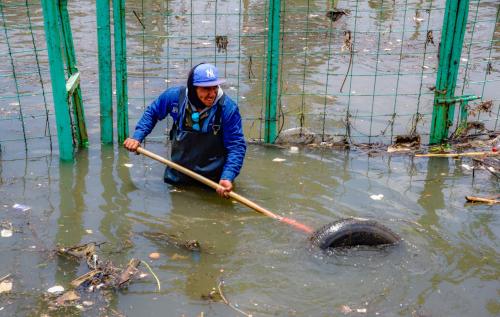
When most people think of flood injuries in San Antonio or the Texas Hill Country, they picture rushing creeks, washed-out roads, and overturned vehicles.
But have you ever asked, “How much water is needed to cause a flash flood?” The reality is alarming—in some cases, just a few inches of fast‑moving water can trigger dangerous conditions, and floodwater often carries bacteria, sewage, chemicals, and debris that can lead to severe infections long after the storm has passed.
Many Texans develop serious medical complications from contaminated water, especially after major storms or flash floods. These infections can be life‑changing and may require extensive medical treatment, hospitalization, or long‑term monitoring. Understanding the risks and knowing what steps to take can help protect your health and your legal rights.
Why Is Floodwater So Dangerous?
Floodwater in San Antonio and throughout the Texas Hill Country picks up contaminants from everywhere it travels. As water moves over streets, fields, septic areas, and storm drains, it gathers a dangerous mixture of pollutants.
Floodwater may contain:
- Sewage and human waste.
- Animal waste from livestock and wildlife.
- Chemicals like gasoline, pesticides, and oil.
- Mold spores and fungi.
- Rusted metal and sharp debris.
- Bacteria such as E. coli, MRSA, or Vibrio.
- Viruses and parasites.
Because of this, even a small cut or scratch can become infected after exposure.
How Floodwater Infections Happen
Infections often occur more quickly than people expect. Floodwater exposure can cause:
Open-wound Infections
Cuts, scrapes, or punctures exposed to contaminated water can lead to fast-spreading infections that require emergency medical care.
Standing Water Exposure
Walking or wading through floodwater during cleanup increases the risk of exposure to bacteria and chemicals.
Mold-related Infections
Indoor flooding in homes or businesses creates ideal conditions for mold growth, which can lead to respiratory problems, sinus infections, or skin irritation.
Vehicle-related Exposure
People trapped in flooded cars may suffer cuts from debris inside the vehicle, giving bacteria an easy way in.
Floodwater infections can escalate rapidly, especially in children, older adults, or anyone with a weakened immune system.
Common Flood-Related Infections in Texas
Some of the most serious infections linked to floodwater include:
Cellulitis. A painful skin infection that spreads quickly if not treated.
MRSA. A staph infection that can be severe and resistant to common antibiotics.
Vibrio vulnificus. A rare but highly aggressive bacterium that thrives in warm Texas waters after storms.
Tetanus. Caused by contaminated metal or soil entering a wound.
Respiratory infections. Mold exposure after flooding can trigger long-lasting breathing issues.
Sepsis. A life-threatening reaction occurs when infection enters the bloodstream.
These infections may require hospital treatment, IV antibiotics, wound care, or even surgery.
Where Floodwater Infection Risks Are Highest
Floodwater infection risks can appear anywhere, but some areas in and around San Antonio and the Texas Hill Country experience higher exposure:
Low-water crossings. These crossings flood quickly during storms, and drivers who attempt to cross may be exposed to dangerous contaminants.
Neighborhoods with poor drainage. Standing water on streets, sidewalks, and yards can linger for days.
Homes and buildings affected by indoor flooding. Mold can grow in as little as 24 to 48 hours, especially in warm, humid conditions.
Riverfront areas and campgrounds. The Guadalupe, Comal, Medina, and Blanco Rivers rise rapidly during storms, exposing residents and visitors to contaminated water.
Underpasses and city streets in San Antonio. Urban floods often carry sewage, chemicals, and heavy debris.
Cleanup crews, first responders, and homeowners doing post-flood repairs are often at the highest risk.
When Negligence Contributes to Floodwater Infections
While storms themselves are unavoidable, some infections happen because someone failed to take reasonable precautions. Negligence may include:
- Poor drainage maintenance by a property owner or business.
- Failure to warn residents or guests about contamination risks.
- A company allowing customers or employees into unsafe, flooded areas.
- Apartment complexes ignoring sewage backups after flooding.
- Landlords not addressing mold or standing water.
- Improper cleanup of commercial or public spaces.
In these situations, property owners, businesses, contractors, or even municipalities may share responsibility for the conditions that caused the infection.
A personal injury attorney San Antonio residents trust can help determine whether negligence contributed to the illness.
What To Do If You Suspect a Floodwater Infection
Flood-related infections can worsen quickly, so early action is critical.
- Seek medical care immediately. Do not delay treatment, especially if you notice redness, swelling, fever, or pain.
- Document everything. Take photos of the injury and the flood conditions if possible.
- Write down when symptoms began. Timelines help both doctors and attorneys.
- Save medical records, bills, and test results. These help show the extent of the infection.
- Avoid handling contaminated materials again. More exposure can worsen symptoms.
- Contact an attorney for guidance. A San Antonio personal injury lawyer can determine whether negligence played a role and explain your next steps.
Why Legal Guidance Matters After a Flood-Related Infection
Infections from floodwater can lead to extended hospital stays, ongoing treatment, lost income, and long-term health challenges. Legal support may be necessary if someone else’s negligence contributed to unsafe conditions or delayed cleanup.
A personal injury attorney can help by:
- Investigating the cause of the infection.
- Reviewing property conditions and maintenance records.
- Checking whether warnings or evacuations were issued.
- Gathering medical documentation.
- Consulting experts on environmental hazards.
- Explaining your rights and options.
Legal action is not about blaming a natural disaster. It is about determining whether human error or negligence made a dangerous situation even worse.
You Are Not Alone After a Flood-Related Injury
If you or someone you love developed an infection after exposure to floodwater in San Antonio or the Texas Hill Country, help is available. A free case review can help you understand what happened, whether negligence played a role, and what steps you can take moving forward.
Disclaimer: The information provided on this blog is for informational purposes only and does not constitute legal advice. Every situation is unique, and the law can be complex. For specific legal guidance on your personal injury case in Texas, contacting an experienced attorney is essential. The Ali Law Group is not responsible for any actions taken based on the information contained here.



Schedule a Free Case Evaluation
Make An Appointment
This website is designed for general information only. The information presented at this site should not be construed to be formal legal advice nor the formation of a lawyer/client relationship.