


Texas Oilfield Accident Catastrophic Injury Claim
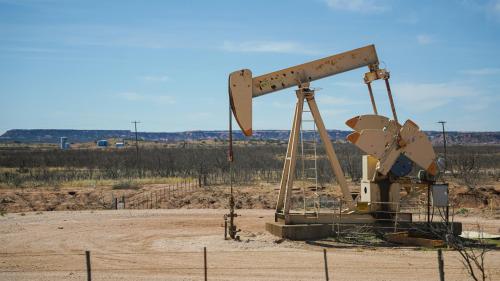
The oil and gas industry keeps Texas running. It also puts workers in some of the most dangerous conditions in the country. Blowouts, equipment failures, falls from height, fires, toxic exposure — these aren't hypothetical risks. They happen, and when they do, the injuries on Texas oilfields are often catastrophic.
If you or someone in your family has been seriously hurt in a Texas oilfield accident, the legal landscape you're stepping into is more complicated than a standard workplace injury claim. Multiple companies are usually involved. Liability is often disputed. And the pressure to settle fast — before you understand what your claim is actually worth — can start almost immediately.
Here's what you need to know before you make any decisions.
Why Texas Oilfield Injury Cases Are More Complex Than Most
A typical workplace injury involves one employer and one insurance policy. Oilfield accidents rarely work that way.
Well sites are usually composed of numerous contractors and subcontractors, each with their own scope of operations and varying degrees of liability. It is possible that the well site itself will be owned by a different entity than the organization that operates the site. Furthermore, the operator of the facility will probably be a completely different entity from the organization that hired the victim employee.
That layered structure means figuring out who is actually responsible for what happened takes real legal work. It also means there may be more than one party whose negligence contributed to the accident — and more than one source of compensation available to the injured worker or their family.
Common Causes of Catastrophic Oilfield Injuries in Texas
Understanding what caused a Texas oilfield injury matters. The cause of the accident determines liability. Some of the most common causes of serious oilfield accidents in Texas include:
Equipment failures and blowouts. Drilling equipment operates under extreme pressure. When it fails, the consequences can be devastating. Blowouts, in particular, can cause explosions, fires, and severe burns that leave workers with permanent injuries.
Falls from height. Working at height is part of the job in oilfield environments. Derricks, platforms, and elevated work surfaces are everywhere, and when someone falls from one, the results are often permanent. Spinal cord injuries and traumatic brain injuries are among the most common outcomes.
Struck-by and caught-between accidents. Heavy equipment, pipe, and machinery create constant hazards on a well site. Workers can be hit by moving equipment or caught between machinery in ways that cause crush injuries, amputations, and other severe trauma.
Fires and explosions. The presence of flammable gases and chemicals makes fire a persistent risk. Burns from oilfield fires are among the most serious and costly injuries a worker can sustain.
Toxic exposure. Hydrogen sulfide, benzene, and other chemicals present on well sites can cause serious long-term health consequences, including respiratory damage and neurological harm.
Inadequate training and safety failures. Many serious oilfield accidents trace back to inadequate safety protocols, insufficient training, or pressure to work faster than conditions safely allow.
Who May Be Liable for a Texas Oilfield Injury
This is where Texas oilfield cases get complicated, and where having the right legal team makes a real difference.
The well operator. The company responsible for operating the well site has a duty to maintain a safe work environment. When safety failures on their end contribute to an injury, they may bear significant liability.
Equipment manufacturers. If a piece of equipment failed because it was defectively designed or manufactured, the company that made it may be liable regardless of how it was used on-site.
Contractors and subcontractors. Each company working on a well site has its own safety obligations. If a subcontractor's negligence contributed to the accident, they may share liability alongside the operator.
The worker's direct employer. Most employers in Texas are not required to carry workers' compensation insurance. That means injured workers may have the right to pursue a direct negligence claim against their employer. This is a significant difference from how workplace injuries work in most other states, and it opens legal doors that don't exist elsewhere.
Texas Workers' Compensation and the Oilfield Exception
Texas is the only state that doesn't require most private employers to carry workers' compensation insurance. Employers who opt out are called non-subscribers.
If your employer is a non-subscriber and you were injured on the job, you may be able to file a direct negligence claim against them. In a standard workers' comp claim, you generally can't sue your employer directly. Against a non-subscriber, you can — the employer may lose several common legal defenses in the process.
Whether your employer carries workers' comp or not, third-party claims against contractors, equipment manufacturers, or the well operator may still be available. Our post on workplace catastrophic injuries in Texas oil and gas goes deeper on who pays in these situations and how liability gets sorted out.
What Compensation May Be Available
A catastrophic oilfield injury and the costs associated with recovering don't stop at the hospital. Texas law may allow injured workers and their families to pursue compensation for:
- Past and future medical expenses, including surgery, rehabilitation, and long-term care
- Lost wages and lost earning capacity
- In-home care and assistance
- Pain and suffering
- Mental anguish
- Disfigurement and physical impairment
- Wrongful death damages, if the injury was fatal
What Families of Injured Oilfield Workers Should Know
When a catastrophic injury happens, the family is affected just as deeply as the worker. In Texas, family members may have their own legal rights depending on the circumstances.
If the injured worker cannot manage their own affairs due to the severity of their injuries, a family member may need to act on their behalf in pursuing a legal claim. If the worker did not survive, eligible family members may have the right to file a wrongful death claim in Texas. The statute of limitations for wrongful death claims is two years from the date of death, and acting quickly preserves evidence and legal options.
Talk to a San Antonio Oilfield Accident Lawyer About Your Case
Oilfield injury cases move fast on the defense side. Companies and their insurers begin investigating immediately, and the goal of that investigation is to limit their exposure — not to make sure you're treated fairly.
At Ali Law Group, we represent seriously injured workers and their families throughout San Antonio and the surrounding area. If a Texas oilfield accident has changed your life or the life of someone you love, let's talk about what your legal options actually look like.
Schedule a Free Case Evaluation
Disclaimer: The information provided on this blog is for informational purposes only and does not constitute legal advice. Every situation is unique, and the law can be complex. For specific legal guidance on your personal injury case in Texas, contacting an experienced attorney is essential. The Ali Law Group is not responsible for any actions taken based on the information contained here.



Schedule a Free Case Evaluation
Make An Appointment
This website is designed for general information only. The information presented at this site should not be construed to be formal legal advice nor the formation of a lawyer/client relationship.