


Workplace Catastrophic Injuries in Texas Oil & Gas: Who Pays?
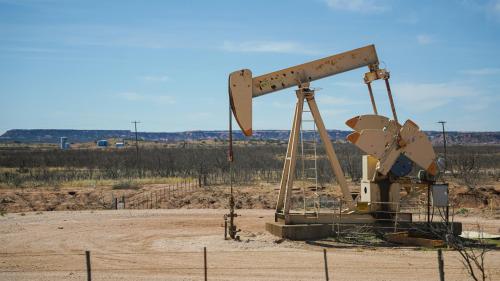
Oil and gas jobs are among the most dangerous in Texas. Heavy equipment, high-pressure systems, flammable materials, and extended shifts create serious risks on drilling sites, refineries, and pipelines. When something goes wrong on the job site, the injuries can be catastrophic—leaving workers with permanent disabilities, long-term medical needs, or worse.
After a serious workplace injury, one question comes up quickly: Who pays for the damage? In Texas, the answer depends on how the employer is insured, who caused the accident, and how the injury occurred. A Texas oilfield accident attorney can help.
What Qualifies as a Catastrophic Workplace Injury?
A catastrophic injury leaves a person with severe, often permanent, life-changing effects. In oil and gas operations, these injuries can result from explosions, equipment failures, vehicle crashes, or falls from height.
Common examples include:
- Traumatic brain injuries
- Spinal cord injuries or paralysis
- Amputations or crush injuries
- Severe burns
- Fatal workplace accidents
These injuries usually require long-term treatment and can permanently limit a person’s ability to work.
Workers’ Compensation in Texas: Not Always Guaranteed
Texas is unique because private employers are not required to carry workers’ compensation insurance. This matters a great deal for oil and gas workers.
If the Employer Has Workers’ Compensation
When an employer subscribes to workers’ compensation, injured workers may receive:
- Medical care related to the injury
- Partial wage replacement
- Disability benefits, depending on the severity
However, workers’ compensation generally does not cover pain and suffering or complete future income loss. It also limits the ability to sue the employer directly, even if negligence played a role.
When Employers Opt Out of Workers’ Compensation
Some Texas oil and gas companies choose to operate as non-subscribers. If an employer decides not carry workers’ compensation and a catastrophic injury occurs, the legal landscape changes.
In these cases:
- Injured workers may be able to file a personal injury claim against the employer
- Employers lose certain legal defenses typically available in personal injury lawsuits
- Damages often include medical costs, lost income, and non-economic losses
These claims often require a detailed investigation into safety practices, training, and workplace conditions, requiring an experienced workplace injury attorney.
Third-Party Liability in Oil & Gas Accidents
Even when workers’ compensation applies, another party may still be legally responsible for a catastrophic injury. Oil and gas jobsites often require multiple companies to work simultaneously.
Potential third parties may include:
- Equipment or machinery manufacturers
- Contractors or subcontractors
- Trucking or transportation companies
- Property owners or site operators
If someone outside of your employer played a part in causing your injury, you could file a personal injury claim while also receiving workers' comp benefits.
Fatal Accidents and Wrongful Death Claims
Tragically, oil and gas accidents can be fatal. If a worker loses their life on the job, Texas law may give their family options to seek support or take legal action.
Depending on the circumstances, claims may involve:
- Workers’ compensation death benefits
- Wrongful death claims against negligent parties
- Survival claims related to the harm suffered before death
Each claim has specific requirements and deadlines under Texas law, making early legal review necessary.
Why Liability Questions Are Often Disputed
Oil and gas injury cases are rarely straightforward. Companies may dispute:
- Whether workers’ compensation applies
- If the injured worker was classified correctly as an employee or a contractor
- Which company controlled the worksite
- If the accident resulted from defective equipment
These disputes can delay benefits and create uncertainty for injured workers and families.
How Ali Law Group Helps Injured Workers in San Antonio
Catastrophic workplace injury cases—especially in the oil and gas industry—can leave workers and families with tough questions and an uncertain path forward. At Ali Law Group, we guide injured workers in San Antonio through their legal options after life-changing accidents.
Here’s how we help:
- We take a close look at your workers’ comp coverage
- We investigate whether other parties may also be at fault
- We review your options if your employer isn’t a subscriber
- We walk you through your next steps in a clear, honest way
Because each case is different, an evaluation with a San Antonio personal injury lawyer is an essential first step.
Speak With Ali Law Group About Your Case
If you or someone you care about was seriously injured while working in Texas oil and gas, you don’t have to face this situation by yourself. Ali Law Group in San Antonio can help you understand who may be responsible and what options may be available under Texas law.
Contact Ali Law Group today to schedule a consultation and learn more about your legal rights.
Disclaimer: The information provided on this blog is for informational purposes only and does not constitute legal advice. Every situation is unique, and the law can be complex. For specific legal guidance on your personal injury case in Texas, contacting an experienced attorney is essential. The Ali Law Group is not responsible for any actions taken based on the information contained here.



Schedule a Free Case Evaluation
Make An Appointment
This website is designed for general information only. The information presented at this site should not be construed to be formal legal advice nor the formation of a lawyer/client relationship.