


When San Antonio Construction Accidents Turn Catastrophic
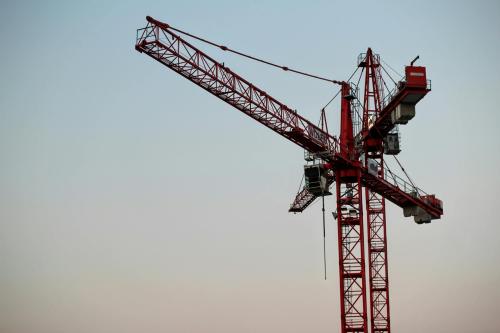
Construction sites across San Antonio power new development, infrastructure, and growth—but they also present some of the most dangerous working conditions in Texas. When something goes wrong on a construction site, the injuries are often severe. Building collapses, crane failures, and falling materials can cause catastrophic harm in seconds. These incidents rarely involve simple mistakes. They often point to deeper safety failures, coordination breakdowns, or to regulations that have been ignored.
Understanding how construction accidents become catastrophic—and what legal options exist afterward—is essential for injured workers and others harmed on or near a job site.
Why Construction Accidents Often Result in Catastrophic Injuries
Construction work combines height, heavy machinery, unstable structures, and multiple contractors working simultaneously. Unlike many other accident scenarios, construction accidents frequently involve high-impact forces or crushing injuries that permanently alter a person’s ability to work or function.
Catastrophic injuries commonly associated with construction accidents include traumatic brain injuries, spinal cord injuries, amputations, multiple fractures, internal organ damage, and severe crush injuries. These injuries typically require extensive medical treatment, long-term rehabilitation, and may prevent a return to physical labor altogether.
In San Antonio, construction activity spans highways, commercial developments, residential projects, and industrial sites—each with unique hazards but shared risk factors.
Building Collapses and Structural Failures
One of the most serious construction hazards involves partial or full building collapses. These incidents can occur during demolition, renovation, or new construction when temporary supports fail or load limits are exceeded.
Common causes of building collapses include improper shoring, failure to follow engineering plans, use of substandard materials, or changes to the structure without proper review. In some cases, collapses occur because contractors rush timelines or bypass safety checks.
When a structure gives way, workers may suffer crush injuries, head trauma, spinal damage, or fatal injuries. These cases often involve multiple liable parties, including general contractors, subcontractors, engineers, and property owners.
Crane Accidents and Heavy Equipment Failures
Crane accidents remain among the most dangerous incidents on construction sites. Tower cranes, mobile cranes, and overhead lifting equipment handle massive loads at significant heights. When something fails, the consequences are often catastrophic.
Crane accidents may involve tip-overs, collapsing booms, dropped loads, or contact with power lines. Injuries can occur to crane operators, ground workers, or even pedestrians near the site.
These incidents often stem from improper assembly, inadequate inspections, operator error, overloading, or poor communication between crews. Federal and state regulations govern crane operation, and violations can play a significant role in determining liability.
Dropped Materials and Falling Objects
Falling objects are among the most common—and most underestimated—construction hazards. Tools, debris, steel beams, concrete forms, and building materials can fall from scaffolding, cranes, or elevated platforms.
Even relatively small objects can cause catastrophic injuries when dropped from a height. Head injuries, neck injuries, spinal trauma, and fatal injuries frequently result from unsecured materials.
These incidents often point to failures in site safety planning, inadequate barriers, missing netting, or a lack of enforcement of overhead protection requirements. They may also involve defective equipment or improper rigging.
Who May Be Liable After a Catastrophic Construction Accident
Construction accident claims rarely involve only one responsible party. Liability depends on how the accident occurred and who controlled the worksite, equipment, or safety protocols.
Potentially responsible parties may include general contractors, subcontractors, property owners, equipment manufacturers, crane companies, and third-party safety inspectors. In some cases, multiple companies share responsibility due to overlapping duties on the site.
Texas law allows injured individuals to pursue claims when negligence, safety violations, or defective equipment contributed to the injury. Identifying all responsible parties requires detailed investigation, contract review, and analysis of safety records.
Workers’ Compensation vs. Third-Party Claims in Texas
Texas construction injury cases often involve questions about workers’ compensation coverage. Texas does not require private employers to carry workers’ compensation insurance, which creates unique legal scenarios.
If an employer subscribes to workers’ compensation, injured workers may receive benefits but typically cannot sue the employer directly. However, they may still pursue third-party claims against other negligent parties on the site.
If an employer does not carry workers’ compensation coverage, the injured worker may be able to pursue a direct negligence claim against the employer. These cases can allow recovery for damages not available through workers’ compensation benefits.
Understanding coverage status and identifying third-party liability are critical early steps in catastrophic construction injury cases.
The Importance of Early Evidence Preservation
Evidence disappears quickly after construction accidents. Equipment gets repaired, sites change, and witnesses move on to other projects. Without early action, critical information may be lost.
Key evidence often includes incident reports, OSHA records, equipment maintenance logs, inspection reports, contractor contracts, site safety plans, and surveillance or jobsite photos. In crane or equipment cases, data logs and manufacturer documentation may also be essential.
Prompt legal involvement from a construction site injury lawyer can help preserve evidence before it is altered or destroyed, which can significantly affect the strength of a claim.
Long-Term Impact of Catastrophic Construction Injuries
Catastrophic injuries often extend far beyond initial hospitalization. Many injured workers face permanent physical limitations, an inability to return to construction or manual labor, and reduced earning capacity.
Long-term needs may include ongoing medical treatment, physical therapy, assistive devices, home modifications, and vocational retraining. In severe cases, individuals may require lifelong care or assistance.
A legal claim following a catastrophic construction accident must account for these future needs—not just immediate medical bills. Proper documentation and expert evaluation are essential for accurately assessing the long-term impact.
Why Construction Accident Cases Are Legally Complex
Construction injury cases involve overlapping regulations, multiple parties, and technical safety standards. Federal OSHA rules, Texas safety laws, and industry-specific regulations all influence liability determinations.
These cases often require input from accident reconstruction experts, engineers, safety professionals, and medical specialists. A catastrophic injury lawyer must coordinate these efforts while managing negotiations with insurers and defense counsel representing multiple companies.
Without careful handling, injured individuals risk undervaluing their claim or missing responsible parties entirely.
Understanding Your Legal Options After a Catastrophic Construction Accident
When a construction accident results in catastrophic injury, the legal path forward depends on several factors: who caused the accident, what safety rules were violated, and what coverage applies.
Legal guidance from a catastrophic injury attorney helps clarify these questions, protect evidence, and evaluate whether a claim should proceed through workers’ compensation, a third-party lawsuit, or both. It also helps injured individuals understand timelines, documentation requirements, and potential recovery categories under Texas law.
Disclaimer: The information provided on this blog is for informational purposes only and does not constitute legal advice. Every situation is unique, and the law can be complex. For specific legal guidance on your personal injury case in Texas, contacting an experienced attorney is essential. The Ali Law Group is not responsible for any actions taken based on the information contained here.



Schedule a Free Case Evaluation
Make An Appointment
This website is designed for general information only. The information presented at this site should not be construed to be formal legal advice nor the formation of a lawyer/client relationship.