


What to Do After Catastrophic Crash San Antonio
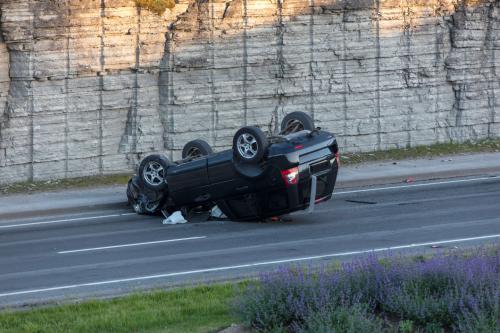
A serious crash leaves no room to think. The scene is loud, disorienting, and frightening, and in the middle of all of it, you are expected to make decisions that can quietly affect your health, your finances, and your family's future.
Most people have never been through anything like it. That is exactly why it helps to know the steps before you need them.
San Antonio's busiest corridors see thousands of crashes every year. When one of them turns serious, the path forward is not always clear. A San Antonio catastrophic injury lawyer can help you navigate what comes next. Here is where to start.
Step 1: Get Medical Attention, Even If You Feel Fine
Here is something most people do not know until it happens to them: you can walk away from a serious crash feeling relatively okay and still have a significant injury. Adrenaline does that. It is the body's way of keeping you functional in a crisis, and it is surprisingly good at masking pain.
That’s why the emergency room visit cannot wait. Headaches, stiffness, confusion, numbness—none of these should be written off as crash jitters. They can point to traumatic brain injuries, spinal cord damage, or internal bleeding that will not show its full hand until later.
It’s important to get evaluated, either on the scene by paramedics or at a nearby hospital. Families should watch over their loved one and write down any concerning behavior, injuries, or activities following a crash.
Step 2: Make Sure a Police Report Is Filed
Did you know that Texas law requires you to report any crash involving injury, death, or significant property damage? Within San Antonio city limits, that means the San Antonio Police Department. In unincorporated parts of Bexar County, contact the Bexar County Sheriff's Office.
Do not leave the scene without confirming that a report has been filed and getting the report number. If law enforcement does not come to the scene, you can file directly through the Texas Department of Transportation. Either way, do not skip this step. That report is one of the first things any insurance company or attorney will ask for.
Step 3: Document the Scene While You Can
Your phone can help you document the things you may later forget. If you are physically able and it is safe to do so, take pictures or video of the scene. Every vehicle involved, the damage, where each one ended up on the road, the license plates. Then widen out. Road conditions, skid marks, traffic signals, signage, anything that looks like it could have played a role. Photograph your injuries too, even if they look minor at that moment.
If possible, collect the names, contact information, and insurance details of every driver. Do the same for anyone nearby who saw what happened. Witnesses have a way of becoming hard to find once everyone goes their separate ways.
San Antonio's major roads see a lot of complex crashes. A collision on I-10 or Loop 1604 can involve multiple vehicles, an 18-wheeler, unclear sight lines, or a road condition that nobody flagged. The documentation you pull together in those first few minutes is often the clearest picture anyone will ever have of what actually happened.
Step 4: Watch What You Say
After a serious crash, the instinct to apologize is almost automatic. But at an accident scene, even a casual "I am so sorry, I didn’t see you," can become a problem later. Statements made in shock, directed at other drivers, bystanders, or insurance representatives, can come up later in ways you can’t anticipate.
It’s best to keep your statements limited to what you know for certain. If the police have questions, answer them honestly and factually.
Step 5: Notify Your Insurance Company, and Know Where the Conversation Ends
You have an obligation to report the crash to your insurer. Do that promptly. But understand that the conversation has limits.
Insurance adjusters, including your own, are working toward a resolution that serves the company. That does not always line up with what you actually need, especially when the full picture of a serious injury takes weeks or months to come into focus. Before you give a recorded statement, sign anything, or accept any offer, make sure you understand exactly what you are agreeing to.
Step 6: Lock Down the Evidence
The days right after a crash are critical for evidence preservation, and that window closes fast.
Do not repair or get rid of your vehicle until it has been fully documented and inspected. Hold onto the clothing and personal items you had with you. Start a daily journal capturing your symptoms, your pain levels, what you cannot do, and how the injury is affecting your daily life. Keep every bill, receipt, and piece of correspondence related to the crash and your treatment.
Surveillance footage from businesses and traffic cameras along San Antonio roadways can disappear within days. If you believe footage exists that captured the crash, the clock is already running.
Step 7: Know the Deadline
In Texas, most personal injury claims carry a two-year statute of limitations from the date of the injury. That may seem like a long time, but catastrophic injury cases are not simple. They can involve accident reconstruction, medical experts, economic analysis, insurance negotiations, and sometimes multiple parties sharing responsibility.
The earlier you get the right people involved, the more options you have. Waiting does not preserve those options. It narrows them.
If a traumatic brain injury was part of what happened, understanding the hidden costs of TBIs is an important next step. If a commercial truck was involved, catastrophic injury claims after trucking accidents come with their own set of complexities. And if you are not sure what talking to an attorney even looks like, our guide on how to prepare for a catastrophic injury consultation walks you through it.
To understand the longer road ahead, how catastrophic injuries affect life in the long term is worth reading before you make any decisions.
We Are Here to Help
At Ali Law Group, we work with seriously injured people and their families throughout San Antonio, Bexar County, and throughout Texas. We know that the hours and days after a serious crash are overwhelming. Our goal is to make sure you have what you need to protect yourself and your family, and that nothing important gets missed.
Disclaimer: The information provided on this blog is for informational purposes only and does not constitute legal advice. Every situation is unique, and the law can be complex. For specific legal guidance on your personal injury case in Texas, contacting an experienced attorney is essential. The Ali Law Group is not responsible for any actions taken based on the information contained here.



Schedule a Free Case Evaluation
Make An Appointment
This website is designed for general information only. The information presented at this site should not be construed to be formal legal advice nor the formation of a lawyer/client relationship.