


Texas Medicaid Gaps Catastrophic Injury
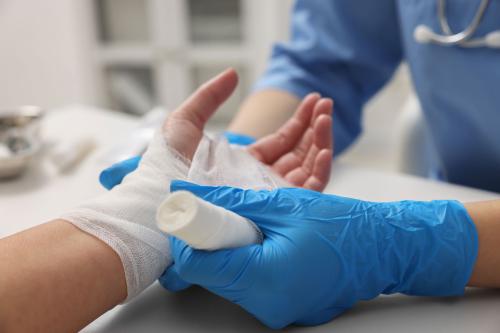
Medicaid is a lifeline for a lot of seriously injured Texans. It pays for hospital stays, doctor visits, and some medications. For someone who just survived a catastrophic accident, that matters.
But here's what they don’t tell you at the hospital, Medicaid has limits. Real ones. And for someone dealing with a spinal cord injury, a traumatic brain injury, or another life-altering condition, those limits show up fast.
The equipment Medicaid won't approve. The specialist it won't cover. The in-home care hours that run out before your needs do. The home modifications that aren't on the list at all.
This blog is about those gaps — and what Texas law may allow you to do about them.
What Texas Medicaid Actually Covers After a Serious Injury
The Texas Medicaid program, operated under the STAR and STAR+PLUS programs in Texas, provides basic medical coverage. In the case of a catastrophic injury victim, such basic medical coverage would involve hospital stays, doctor’s appointments, limited prescriptions, and some rehabilitation.
The STAR+PLUS program offers additional support, including home and community-based services. On paper, it seems like it offers everything. In reality, however, there may be delays in processing applications, narrow categories of coverage, and lengthy waitlists for certain services.
This is not something one can afford when handling the aftermath of a catastrophic injury.
Where Medicaid Falls Short for Catastrophic Injury Survivors
This is where things get hard. Medicaid is built around medical necessity as the state defines it, and that definition doesn't always match what a catastrophic injury actually requires.
Specialized rehabilitation. Catastrophic injuries often demand intensive, long-term rehab — the kind that helps someone relearn how to walk, speak, or function independently. Medicaid covers some rehab, but coverage limits and session caps can cut off treatment well before a patient has reached their potential for recovery.
Durable medical equipment. Power wheelchairs, custom orthotics, specialized communication devices — these are often essential after a catastrophic injury. Medicaid approves some equipment but frequently denies higher-end items or upgrades that a physician has specifically recommended.
Care at home/personal assistance. Catastrophic injury victims need assistance performing routine activities, including bathing, dressing, cooking, and administering medication. The Medicaid programs covering home care services set a limit on hours provided by such programs, which does not take into consideration patients' actual medical needs.
Home and vehicle modifications. Ramps, widened doorways, roll-in showers, hand controls for vehicles — these modifications make independent living possible. Medicaid generally doesn't cover them. Our post on long-term care costs after a catastrophic injury breaks down how those numbers are calculated.
Treatment for mental health issues. The psychological toll of a catastrophic injury is real and well-documented. They include conditions such as depression, PTSD, and anxiety. Although some of these services are covered by Medicaid, they are not readily available to all survivors.
Future medical costs. Medicaid covers what's happening now. It doesn't account for what a catastrophic injury will cost over a lifetime — the follow-up surgeries, the replacement equipment, the evolving care needs as a person ages with a serious disability.
How a Personal Injury Claim May Help Fill the Gaps
If your catastrophic injury was caused by someone else's negligence, a personal injury claim may allow you to pursue compensation for the costs Medicaid doesn't cover. That includes both what you've already spent and what you're likely to face going forward.
Texas law allows seriously injured people to pursue economic damages for past and future medical expenses, in-home care costs, home and vehicle modifications, assistive equipment, and lost earning capacity. Our post on post-catastrophic injury home modifications in San Antonio covers what these costs look like in practice.
Non-economic damages, including pain and suffering, mental anguish, and loss of enjoyment of life, may also be recoverable. These don't show up on a Medicaid statement, but they're real losses that Texas law recognizes.
The gap between what Medicaid provides and what a catastrophic injury actually costs is often significant. A well-built personal injury claim is one of the primary legal tools available to bridge it.
One Thing to Know About Medicaid and Personal Injury Settlements
If Medicaid has paid for your medical care and you later receive a personal injury settlement, Texas Medicaid may have the right to seek reimbursement for what it paid on your behalf. This is something that needs to be addressed as part of resolving your case — it doesn't go away on its own, and ignoring it can create serious problems down the road.
The good news is that these claims are often negotiable. An experienced catastrophic injury attorney knows how to account for Medicaid's interest in a settlement and can work to reduce what the state recovers so more of the money stays with you and your family.
This is one of the more technical parts of a catastrophic injury claim, and it's one of the strongest reasons to have an attorney involved from the beginning rather than after a settlement offer is already on the table.
What to Do If Medicaid Isn't Covering What You Need
If you're running into Medicaid coverage gaps after a catastrophic injury, a few steps are worth taking right away.
First, document everything that's been denied. Request written denial notices from Medicaid and keep records of what your doctors have recommended versus what's been approved.
Second, talk to your treating physicians about whether they can provide written support for the equipment or services being denied. Medical documentation strengthens both Medicaid appeals and personal injury claims.
Third, talk to a San Antonio catastrophic injury attorney before you assume Medicaid is your only option. If your injury was caused by another party's negligence, you may have a legal path to compensation that goes well beyond what any government program provides.
Ali Law Group Helps Seriously Injured Texans Pursue What They're Owed
Medicaid was never designed to cover everything a catastrophic injury costs. Texas law was designed to hold negligent parties accountable for exactly that difference.
At Ali Law Group, we work with seriously injured people and their families throughout San Antonio and the surrounding area. If you're dealing with coverage gaps and you're not sure what your legal options look like, a free case evaluation is the right place to start.
Schedule a Free Case Evaluation
Disclaimer: The information provided on this blog is for informational purposes only and does not constitute legal advice. Every situation is unique, and the law can be complex. For specific legal guidance on your personal injury case in Texas, contacting an experienced attorney is essential. The Ali Law Group is not responsible for any actions taken based on the information contained here.


Schedule a Free Case Evaluation
Make An Appointment
This website is designed for general information only. The information presented at this site should not be construed to be formal legal advice nor the formation of a lawyer/client relationship.