


Pediatric Catastrophic Injuries in Cheerleading and Youth Sports
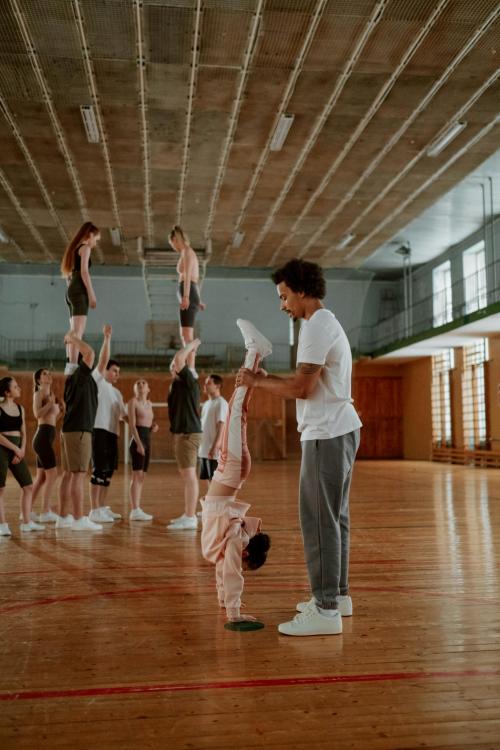
Cheerleading and youth sports today look very different from how they did even a decade ago. Across San Antonio, children are performing advanced stunts, tumbling sequences, and fast-paced routines that require significant strength and skill. According to the American Academy of Pediatrics (AAP), today’s cheerleading environment includes more complex stunts and higher athletic demands than ever before.
With those increased demands comes a higher risk of serious injury. Although catastrophic injuries are still uncommon, they do occur, and their impact can be life-changing for a child and their family. Parents deserve clear information about how these injuries happen and what options they may have after one occurs.
Today’s Youth Cheerleading: What Parents Don’t Always See
Cheerleading and youth sports have grown into highly organized, year-round systems that place significant expectations on children. AAP data shows that more than 3.5 million children participate in cheerleading programs nationwide, most between the ages of 6 and 17. What many parents may not realize is that not all cheer environments are the same—and the setting plays a major role in injury risk. In communities across Texas, many young athletes participate in both school and competitive cheer programs with varying levels of regulation and oversight.
School-based cheer programs typically operate under established rules, certified coaches, and access to athletic trainers. In contrast, many children practice in private gyms, club teams, or recreational leagues where oversight varies widely. These programs often pursue more difficult skills, faster progression schedules, and intense competition seasons. As a result, injuries occur more often in club and nonscholastic settings than in schools, especially when advanced stunts are introduced without consistent safety standards.
Even well-run programs can push athletes to master complex routines before they have the strength or coordination to perform them safely. Younger children, in particular, may be asked to attempt skills that exceed their physical development. Understanding where and how a child trains helps parents spot possible contributors to an injury—and identify whether safety expectations were fully met.
The Injuries That Worry Parents Most
Cheerleading and youth sports can lead to a wide range of injuries, but some are more serious and require closer attention.
1. Head and Neck Injuries
Head injuries and neck injuries are among the most concerning for parents because they can affect a child’s thinking, balance, and overall well-being. Concussions often happen during stunts, tumbling, or falls to the floor. Symptoms may not appear right away, and recovery can take weeks. Sports-medicine research cited by the AAP shows that concussions make up a significant share of cheerleading injuries, particularly during stunts and tumbling passes.
2. Concussions With Long Recovery Times
Concussions are one of the most common serious injuries in cheerleading. A child may experience headaches, dizziness, memory issues, or sensitivity to light and noise. These symptoms can disrupt school, sleep, and everyday activities.
3. Fractures and Joint Injuries
Broken bones, dislocations, and torn ligaments frequently occur in the wrists, ankles, shoulders, and knees. These injuries may require casts, braces, physical therapy, or, in more severe cases, surgical treatment.
4. Spine and Back Injuries
Hard landings, awkward falls, or failed stunts can cause spine or back injuries. Some injuries heal with rest and therapy, while others may involve more significant long-term concerns.
5. Catastrophic Injuries
Although rare, catastrophic injuries do happen. These include traumatic brain injuries, skull fractures, spinal cord injuries, and events that lead to permanent disability. They most often occur during high-risk stunts, pyramids, or complex tumbling passes.
Why These Injuries Matter
Serious injuries can affect far more than a sports season—they impact school, emotional well-being, and a child’s long-term health. When an injury feels out of proportion to the situation, parents naturally want to know whether safety standards were followed.
How Catastrophic Injuries Happen: The Most Common Scenarios
1. High-Level Stunts and Pyramids
Most severe injuries happen during stunts. Lifts, pyramids, and dismounts place athletes above the ground, where even a brief loss of balance can lead to a serious fall. A missed catch or awkward landing can cause head, neck, or spine trauma.
2. Unsafe or Inconsistent Practice Conditions
Not all gyms or practice spaces are created equal. Hard floors, thin mats, limited space, or poor supervision increase the risk of a serious accident. Overcrowded classes make it harder for coaches to monitor every athlete during complex skills.
3. Inadequate Spotting or Supervision
Catastrophic injuries are more likely when spotters are inexperienced, out of position, or simply not paying attention. Stunts require coordinated roles, and even a moment of distraction can lead to a dangerous fall.
4. Pushing Skills Too Fast
Some athletes are asked to perform advanced tumbling or elevated stunts before they’re physically ready. Younger children, whose bones and coordination are still developing, face higher risks when progression moves too quickly. According to research summarized by the AAP, younger athletes—especially those ages 5 to 11—are more likely to experience moderate to severe injuries when progression moves faster than their physical development.
5. Split-Second Mistakes During Tumbling
Fast-paced tumbling can lead to catastrophic injury if an athlete under-rotates, over-rotates, or loses control mid-skill. Landing on the head, neck, or upper back can cause severe damage.
Why This Matters for Parents
Understanding how these injuries happen helps you recognize whether your child’s environment followed safe practices—or whether preventable issues put them at risk.
What Parents Can Do Next
A serious cheerleading or youth-sports injury can leave families facing medical decisions, missed school days, and long recovery plans. During these moments, it’s important to focus on the steps that protect your child’s health and help you understand how the injury occurred.
Start by gathering the basics: medical records, notes from the first doctor or emergency visit, and any photos or videos of where the injury happened. If teammates, parents, or coaches witnessed the event, their observations may help clarify whether safety procedures were followed.
It can also be useful to review the environment where your child was trained. Parents often discover issues they didn’t see before: thin mats, hard floors, inexperienced spotters, or skill progression that moved too quickly. When these factors are present, they may help explain why an injury was more severe than expected.
Finally, consider speaking with a San Antonio personal injury lawyer who handles youth-sports injury cases. Families in San Antonio often turn to an attorney after a serious youth-sports injury to help understand what contributed to the incident and what steps may support long-term recovery.
A legal review can help you understand whether preventable conditions contributed to your child’s injury and what options may be available going forward. The goal is not to blame—but to ensure your child receives the support, resources, and care they need during recovery.
If your child sustained a severe injury in cheerleading or another youth sport, Ali Law Group in San Antonio can help you understand your options. Contact our office to discuss your situation and learn what steps may support your child’s recovery.
Schedule a free case review today.
Disclaimer: The information provided on this blog is for informational purposes only and does not constitute legal advice. Every situation is unique, and the law can be complex. For specific legal guidance on your personal injury case in Texas, contacting an experienced attorney is essential. The Ali Law Group is not responsible for any actions taken based on the information contained here.



Schedule a Free Case Evaluation
Make An Appointment
This website is designed for general information only. The information presented at this site should not be construed to be formal legal advice nor the formation of a lawyer/client relationship.