


Hurricane-Related Catastrophic Injuries in Texas
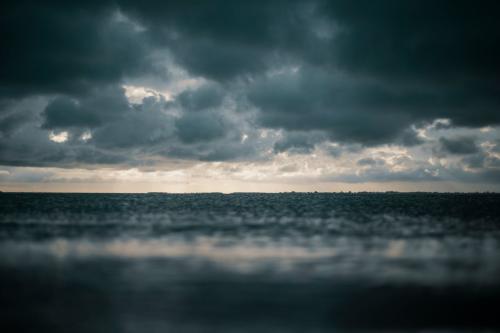
When most people think about hurricanes, they picture coastal destruction, storm surge, and high winds along the Gulf Coast. But Texans who live far from the shoreline know the truth. Hurricanes and tropical storms do not stop at the coast. They move inland, bringing destructive winds, flooding rains, tornadoes, and long-lasting power outages that can create dangerous conditions across San Antonio and the Texas Hill Country.
These storms can cause catastrophic injuries that change lives in an instant. From collapsing structures to fast-moving floodwater, inland communities face risks that are often underestimated. Understanding these hazards and preparing for them can help protect your family and your future — and when negligence plays a role in your injury, a San Antonio personal injury lawyer can help you pursue the justice you deserve.
Inland Texas Faces Serious Hurricane Risks
Texas hurricane-force impacts can reach hundreds of miles beyond the coastline. Cities like San Antonio, Austin, New Braunfels, Boerne, Seguin, Kerrville, and other Hill Country communities often receive heavy rainfall, flash flooding, and strong wind gusts long after the storm makes landfall.
Inland hurricane risks include:
- Widespread flash flooding.
- Low-water crossing dangers.
- River flooding along the Guadalupe, Comal, Medina, and Blanco.
- Flying debris.
- Tornado outbreaks.
- Power outages lasting days.
- Structural damage from fallen trees or roof failures.
These conditions can leave people trapped, injured, or exposed to dangerous environments with little warning.
Common Catastrophic Injuries Caused by Inland Storms
Even far from the coast, hurricane-related injuries can be severe. Some of the most common catastrophic injuries during inland Texas storms include:
Flood-related Injuries
Fast-rising water can overturn vehicles, sweep people off their feet, or trap families inside flooded homes. These incidents often lead to head injuries, fractures, or drowning-related complications.
Trauma From Debris
Strong winds can send branches, roofing materials, street signs, and broken glass flying. Impact injuries can cause deep lacerations, concussions, or permanent damage.
Structural Collapse Injuries
Heavy rain and wind weaken roofs, carports, garages, and older buildings. Falling beams or collapsing ceilings may injure residents.
Electrocution and Electrical Burns
Downed power lines, flooded electrical systems, and generators increase the risk of electrical injuries during cleanup.
Infections After the Storm
Standing floodwater, sewage backups, and mold growth can lead to infections that develop days after the storm.
These injuries often happen when people attempt to evacuate, seek shelter, or return home too soon after the storm.
San Antonio and Hill Country Communities Need to Prepare
San Antonio and the surrounding areas face unique risks during hurricane season because of dense population, hilly terrain, and vulnerable waterways. Flood-prone areas like Leon Creek, Salado Creek, the San Antonio River, and numerous low-water crossings can become hazardous within minutes.
Residents in the Texas Hill Country face additional challenges due to steep terrain and narrow river channels, which create rapid flash flooding that catches people off guard.
Preparation can reduce risk, but even well-prepared families may still face dangerous situations during severe inland storms.
How Negligence Can Make Storm Injuries Worse
Although hurricanes in Texas are natural disasters, some injuries occur because someone failed to take reasonable safety steps. Negligence may involve:
- Poorly maintained drainage systems.
- Apartment complexes ignoring flood risks.
- Businesses opening during dangerous weather.
- Property owners failing to remove dead trees or weak structures.
- Construction sites not securing equipment before a storm.
- Municipalities failing to close hazardous low-water crossings.
When negligence contributes to a catastrophic storm injury, victims may have legal options.
What You Can Do to Protect Yourself and Your Family
You cannot control the weather, but you can take steps that may help reduce risk during a major storm.
Know local flood zones. Many San Antonio and Hill Country neighborhoods flood repeatedly.
Stay updated with alerts. Weather radio warnings and emergency apps provide rapid alerts.
Avoid low-water crossings. Never attempt to drive through floodwater, especially in well-known danger areas.
Prepare an emergency kit. Include medications, flashlights, water, and important documents.
Stay inside during high winds. Debris can cause serious injuries even from short distances.
Use generators safely. Carbon monoxide poisoning is a major risk after storms.
Even with careful planning, some injuries cannot be prevented. That is when legal guidance may help clarify what happened and why.
Why Legal Guidance Matters After a Hurricane Injury
Recovering from a hurricane-related injury can be overwhelming. Medical treatment, lost income, property damage, and long-term recovery needs place enormous pressure on families.
When negligence plays a role, a hurricane attorney can help investigate:
- Property conditions.
- Roadway safety.
- Drainage failures.
- Emergency response decisions.
- Prior complaints or ignored hazards.
- Dangerous conditions at businesses or rental properties.
Legal guidance helps injured Texans understand their rights and options so they can make informed decisions during a difficult time.
You Are Not Alone After a Storm Injury
Whether the injury happened in San Antonio, the Hill Country, or another inland Texas community, help is available. A free case review with a skilled hurricane lawyer can provide clarity about your situation and guide you through your next steps.
Disclaimer: The information provided on this blog is for informational purposes only and does not constitute legal advice. Every situation is unique, and the law can be complex. For specific legal guidance on your personal injury case in Texas, contacting an experienced attorney is essential. The Ali Law Group is not responsible for any actions taken based on the information contained here.


Schedule a Free Case Evaluation
Make An Appointment
This website is designed for general information only. The information presented at this site should not be construed to be formal legal advice nor the formation of a lawyer/client relationship.