

Amusement Park Accident Attorney in Texas
People go to amusement parks expecting a fun day out, not a trip to the emergency room. When a ride malfunctions, an operator makes a mistake, or a park cuts corners on maintenance, the people riding that day pay for it. If you or someone in your family was hurt at an amusement park, water park, or fair in Texas, Ali Law Group can look into what went wrong and who's responsible.
How Amusement Park Accidents Happen
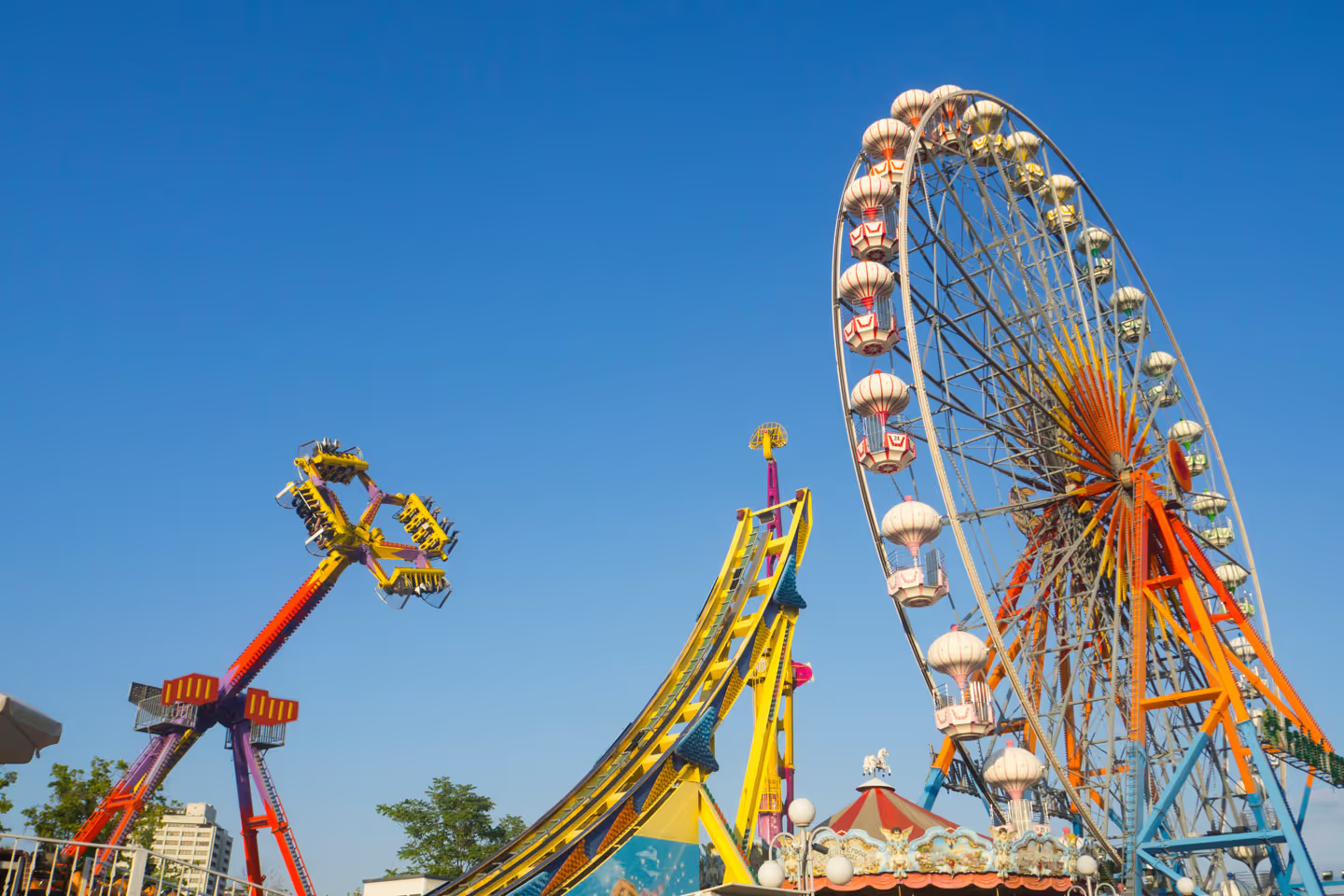
Theme park accidents happen on more than just roller coasters. People can be hurt by:
- Mechanical failure on a ride, from a stuck restraint to a structural break
- Operator error, like starting or stopping a ride at the wrong time
- Water park injuries, including slide accidents and drownings
- Inflatable rides or bounce houses that weren't set up or anchored properly
- Falls from bleachers, walkways, or other park structures
- Injuries from games, food service equipment, or other non-ride attractions
Not every injury at a park involves a ride at all. Slip and falls, food-related injuries, and even crowd-related incidents can all lead to a claim depending on what caused them.
Common Causes of Amusement Park Accidents
Most of these injuries come down to something the park, the ride operator, or a manufacturer didn't do right. Common causes include:
- Inadequate ride maintenance or a skipped inspection
- Poorly trained or inattentive ride operators
- Restraint systems that failed or were never properly checked
- Riders allowed on despite not meeting height, weight, or age requirements
- Design or manufacturing defects in the ride itself
- Overcrowding or inadequate supervision at water attractions
Why Texas State Law Matters More Than You'd Think
Most people assume permanent theme park rides fall under some kind of federal safety oversight, the way toys or car seats do.
They don't.
A loophole in the federal Consumer Product Safety Act of 1981 specifically bars the U.S. Consumer Product Safety Commission from
regulating "fixed-site" amusement rides — the permanent rides at parks like Six Flags or SeaWorld.
The CPSC only has authority over mobile, traveling rides.
That means for a fixed-site park, Texas's own state law is essentially the only real regulatory backstop that exists.
Under the
Texas Amusement Ride Safety Inspection and Insurance Act,
ride owners and operators must carry liability insurance and have every ride inspected annually by the insurer or someone the insurer approves.
Once the ride passes, the inspector issues a compliance sticker, and it's only good for a year.
Operators must also keep daily inspection records at the ride's location and report any injury or death involving the ride to the state.
That paperwork often becomes some of the most important evidence in a case,
because it shows whether the ride was checked the way the law requires, not just whether it looked fine that day.
If a ride wasn't properly inspected, wasn't insured as required,
or the operator ignored a daily inspection issue, that can be a significant part of a claim.
TDI's own data
shows the stakes are real: the department recorded 33 reported amusement ride injuries in 2023 and 44 in 2024 across the state.
How Do You Prove an Amusement Park Accident Claim in Texas?
These cases usually come down to whether the theme park or another responsible party knew about a risk and failed to address it. A lawyer generally has to show:
- The park, operator, or manufacturer had a duty to keep riders reasonably safe
- That duty wasn't met
- The failure caused the accident and the injury
- The injury led to losses that can be documented
Maintenance logs, inspection records, and how the ride was operated that day usually matter more than any one person's memory of what happened. We review cases like this for free.
If the Park Is a Nonprofit, the Rules Change
Some Texas fairs, and a handful of amusement attractions, are run by nonprofit organizations rather than
for-profit companies — a distinction that matters more than most people realize.
Under the Texas Charitable Immunity and Liability Act,
a qualifying nonprofit's liability for an injury claim is generally capped at $500,000 per person and $1,000,000 per occurrence,
regardless of how serious the injury actually is.
That cap isn't absolute, though.
It only applies if the nonprofit carries qualifying liability insurance in the first place
— without it, the cap disappears entirely — and it doesn't apply at all if
the organization's conduct amounts to gross negligence or intentional misconduct.
It's also worth knowing that the cap only protects the nonprofit itself:
a for-profit ride manufacturer, maintenance contractor, or independent safety inspector involved in the same accident isn't shielded by it.
If a nonprofit fair or attraction is involved in your case, we look closely at every other party who might share responsibility,
since that's often where the real recovery ends up coming from.
What Compensation Can an Amusement Park Accident Claim Cover?
What you can recover depends on the injury and what can be documented. Depending on the case, that may include:
- Emergency care, surgery, and hospital stays
- Ongoing treatment if the injury isn't fully healed
- Lost income if the injury kept you from working
- Pain and suffering
- The cost of a lasting disability, if there is one
This has to be backed up by medical records and bills, not an estimate.
What Should You Do After an Amusement Park Accident?
Get checked out by a park medical staffer or your own doctor, even if the injury doesn't seem serious right away.
Some injuries take a day or two to show up.
After that:
- Ask the park for an incident report and get a copy if you can
- Take photos of the ride, the area, and your injuries
- Get names and contact information from anyone who saw what happened
- Keep your tickets, wristband, or any receipts from that day
- Talk to a lawyer before giving a statement to the park's insurance company or signing anything
How Ali Law Group Can Help
These cases often depend on records the park controls, which is why acting quickly matters. Ali Law Group can look into:
- The ride's inspection and maintenance history
- Whether the ride had a current compliance sticker and required insurance
- How the ride was being operated at the time of the accident
- Prior injuries or complaints involving the same ride
- Insurance coverage that may apply
Every case is different, and we'll know more once we've reviewed yours. Ali Law Group works with families across Texas from its San Antonio and Houston offices.
Meet Our Attorneys


Practice Areas


Texas Amusement Park Accident FAQs


Speak With a Texas Amusement Park Accident Lawyer
If you or someone in your family was hurt at an amusement park in Texas, Ali Law Group can look into what happened and explain what options may be available. Call our San Antonio or Houston office for a free case review.

This website is designed for general information only. The information presented at this site should not be construed to be formal legal advice nor the formation of a lawyer/client relationship.